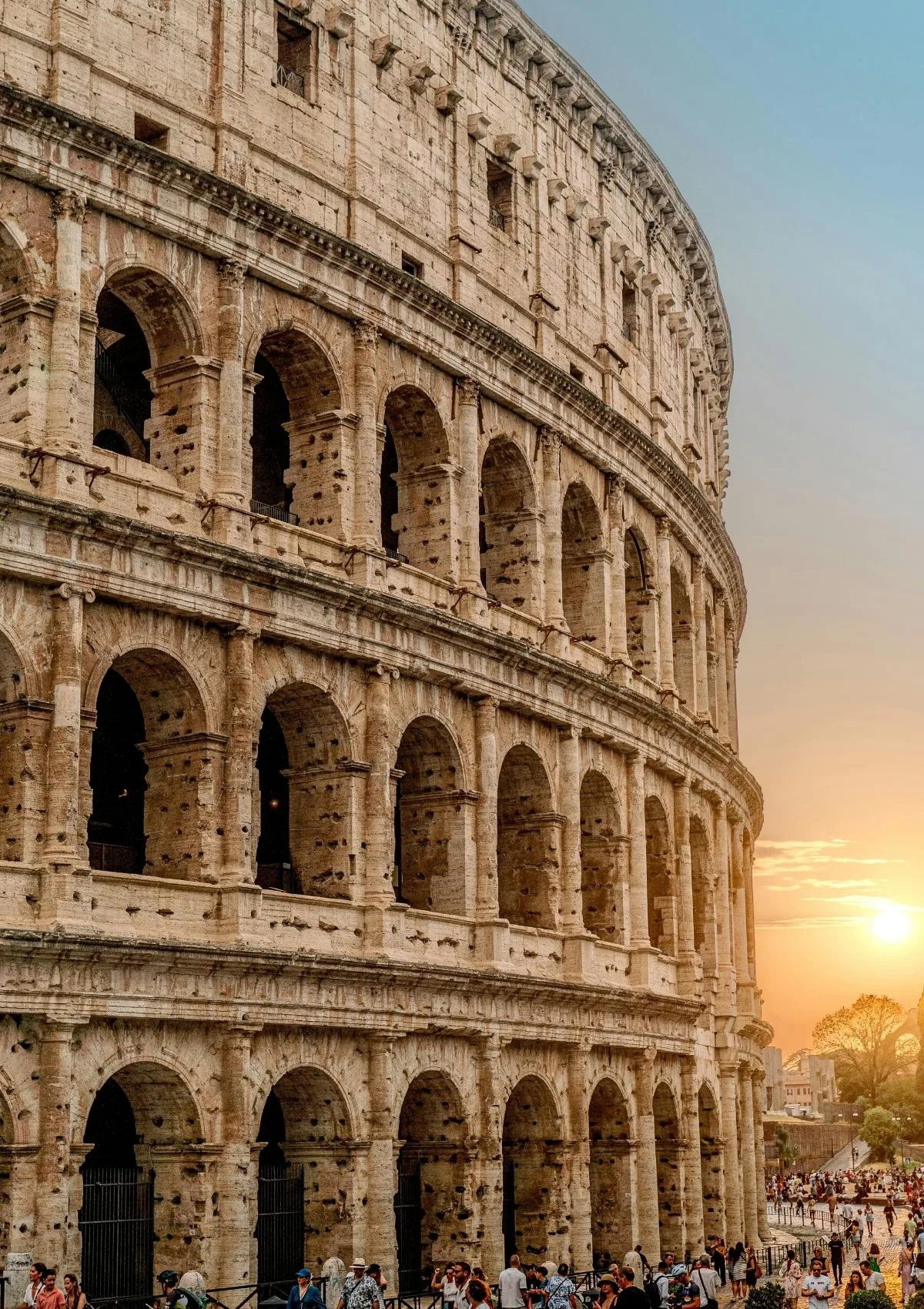
The Colosseum in Rome at sunset
Italy flag

Italy Business Culture, Work Culture & Etiquette

Business practice guide · informed by benchmark data and by decades of practitioner work at Global Business Culture

The elevator pitch

Where trust is built through personal relationship and shared time, formality signals respect for role and for the person in it, and business runs on relationships as much as processes. Titles matter, meals matter, and August, Ferragosto, is genuinely off.

Where in the world
Italy--:--
You--:--
—
Population
~59 million
Main hubs
Milan
Rome · Turin · Naples · Bologna
Language
Italian
Currency
EUR · €
Timezone
CET
CEST (CET+1) in summer

Watch outFree

The five mistakes we see most often with Italian colleagues.

Even seasoned operators trip over these.

1
Trying to skip the relationship-building phase. Italian business runs on personal trust. Trying to close a deal after one Zoom call, with no meals or in-person time, rarely works. Invest in the relationship first, the business follows.
2
Being too direct with difficult messages, especially in writing. A blunt email listing three problems will land badly. Difficult messages are best delivered in person, softened with structure ("I wonder if we might consider…"), and preserving the relationship.
3
Underestimating regional differences. Milan and the North operate more like Northern Europe: direct, punctual, structured. Rome and the South are more relational and flexible. Assuming one style works everywhere causes friction.
4
Ignoring seniority or titles. Titles like Dottore (any university graduate), Ingegnere, or Avvocato are used and expected. Skipping straight to first names, or jumping levels to speed things up, both damage credibility.
5
Trying to schedule anything in August (Ferragosto). The middle two weeks of August are a serious shutdown. Businesses close, senior people are away, decisions freeze. Push meetings to September: "catching someone in August" rarely works.

Try one nowFree

Practice working with Italy.

Ten situations you will actually meet, each with three plausible answers. Start with this one.

Scenario 1 of 10 · Relationship & Trust

Her card reads Dott.ssa Elena Ricci and everyone in the Milan office calls her Dottoressa. You know she has a degree in economics rather than a doctorate, so you conclude the title is a courtesy nobody takes seriously and start using her first name in your emails.

Was that reasonable?

Module and guide

Learn Italian business culture.

The same nine topics, twice over: taught in the module, carried in the guide. Both are included in a subscription.

🔒 Subscription
🎓

eLearning module

About 30 minutes · nine topics · video and worked examples

A guided walk through how business is actually done in Italy, with questions along the way so it lands. Nothing is scored and no result is reported: the questions are there to make it stick, not to test you.

Stop whenever you like. Your progress is saved, it resumes where you left off, and it stays on your dashboard until you finish it.

What it covers

  • Economy
  • Society
  • Key country values
  • Management style
  • Team
  • Communication style
  • Meetings
  • Business etiquette
  • Five key recommendations
Unlock with subscription →
🔒 Subscription
📄

Quick guide, four pages

A4 · built to print · no wifi needed

The same ground in a form you can carry. The facts you need before you land, the four values that explain most of the behavior, then the practical detail on how work gets done.

Print it and take it into the room, or read it on the plane the day before a trip to Italy.

On the four pages

  • Country facts
  • Economy and society
  • Four core values
  • Management style
  • Team
  • Communication
  • Meetings
  • Etiquette
  • Top five recommendations
Unlock with subscription →

Your first 30 daysFree

Checklist for working with Italian colleagues, tick as you go.

Small moves that show you've done the work.

When activity slowsFree

Italian business calendar, key dates to know.

When Italian business slows and decision-makers are away.

Late December to early January
Vacanze di Natale (Christmas holidays)
Most businesses slow from around Dec 20. Between Christmas and Epiphany (Jan 6) is quiet. Avoid launching new initiatives.
Good Friday to Easter Monday
Pasqua (Easter)
Public holidays; the surrounding week often used for family holidays. Response times drop.
August, especially 10-25
Ferragosto (August shutdown)
Serious. Many businesses fully close for 2-3 weeks; decision-makers away. Plan critical work around it.
2 June
Festa della Repubblica
National public holiday. Often taken as a long weekend if it falls near one.
8 December
Immacolata Concezione
Public holiday. Often kicks off the extended Christmas slowdown.
Various, especially April to June
Ponti (bridge days)
Multiple public holidays create bridging opportunities ("fare il ponte"). Many take extended weekends. Confirm attendance for anything critical.

Against your country, or your own experienceFree

How Italy compares.

Where Italy sits on the five dimensions. Add your own country or your assessment scores, and click any row for detail.

Relationship & Trust Click to expand
Trust built through relationshipTrust built through delivery
Italy

What this means in practice

Italian business trust is built through personal relationship, shared time, and trusted introductions. Competence matters, but you'll rarely close a deal on merit alone without the relationship in place.

What to watch for

  • A single meeting rarely closes anything. Expect multiple rounds and social occasions.
  • Warm introductions matter enormously, a cold approach is often ignored, not rebuffed.
  • Business meals are business, the relationship builds at the table, not despite it.
Communication & Feedback Click to expand
Meaning carried in the situationMeaning stated in words
Italy

What this means in practice

Italian business communication is expressive and warm face-to-face, but often indirect on difficult matters. What isn't said, hesitations, and tone carry as much weight as the words.

What to watch for

  • Direct written criticism can wound. Soften with structure and prefer face-to-face for difficult conversations.
  • Silence and diplomatic phrasing often mean "no". Probe for a genuine yes.
  • Passionate debate is normal engagement, not aggression. Match the energy without taking it personally.
Decisions & Agreement Click to expand
Guided by role, agreed in advanceGuided by contribution, agreed in the meeting
Italy

What this means in practice

Italian decisions are often aligned informally in advance through corridor conversations and trusted advisors. The formal meeting confirms what has already been discussed.

What to watch for

  • Pushing for a decision in the meeting without prior groundwork rarely works. Brief informally first.
  • The senior in the room typically decides, but only after listening to trusted people.
  • "Yes, we'll discuss" often means "not yet decided". Check who else needs to weigh in.
Accountability & Ownership Click to expand
Belongs to the team and its leaderBelongs to the named person
Italy

What this means in practice

Accountability is individual on paper but relationally negotiated in practice. Titles and roles matter, but who owes whom a favor often drives outcomes as much as the org chart.

What to watch for

  • Rigid RACI charts feel impersonal. Frame ownership relationally, with respect for the person.
  • Formal titles (Dottore, Ingegnere, Avvocato) matter. Use them until first names are explicitly offered.
  • Skipping levels to accelerate a decision damages trust with people you'll need later.
Planning & Adaptability Click to expand
Prepare fully, then startStart early, refine as you learn
Italy

What this means in practice

Italian business is highly adaptable, improvisational, and personally networked. Plans exist but flex readily; finding a creative solution through relationships is a professional strength.

What to watch for

  • Rigid adherence to plan can feel inflexible. Leave room to adjust as circumstances shift.
  • Personal contacts often unlock what formal processes stall.
  • Bureaucracy is real. Build in time buffers for anything involving paperwork.

Quick answersFree

Common questions about working with Italy.

How should I approach first business meetings in Italy?

Firm handshake, warm greeting, direct eye contact. Use titles (Dottore, Dottoressa, Ingegnere, Avvocato + surname) until first names are explicitly offered. Small talk is warm and personal: family, food, football, holidays. Rushing to business feels cold.

What is the business communication style in Italy?

Expressive and warm face-to-face; more diplomatic in writing. Passionate debate is normal engagement, not conflict. Difficult messages are cushioned; blunt written criticism damages the relationship.

How important is punctuality in business meetings in Italy?

Punctuality expectations vary by region: Milan tends to be strict, Rome and the South more relaxed. Being 5-10 minutes late for informal meetings is generally OK; formal meetings expect on-time arrival.

How are business decisions made in Italy?

Decisions often happen through informal conversation before the formal meeting. The senior in the room decides, but only after listening to trusted advisors. Consensus in the meeting often means it's already agreed.

How is feedback given in workplaces in Italy?

Feedback is usually given in person, softened, and often mixed with personal warmth. Public criticism damages both the person and the relationship. Praise is generous but genuine.

What are the business gift-giving and hospitality norms in Italy?

Business meals, especially long lunches, are central to relationship-building. Wine is normal; refusing food or drink can feel rude. Modest business gifts (quality items, not extravagance) are appreciated but not required.