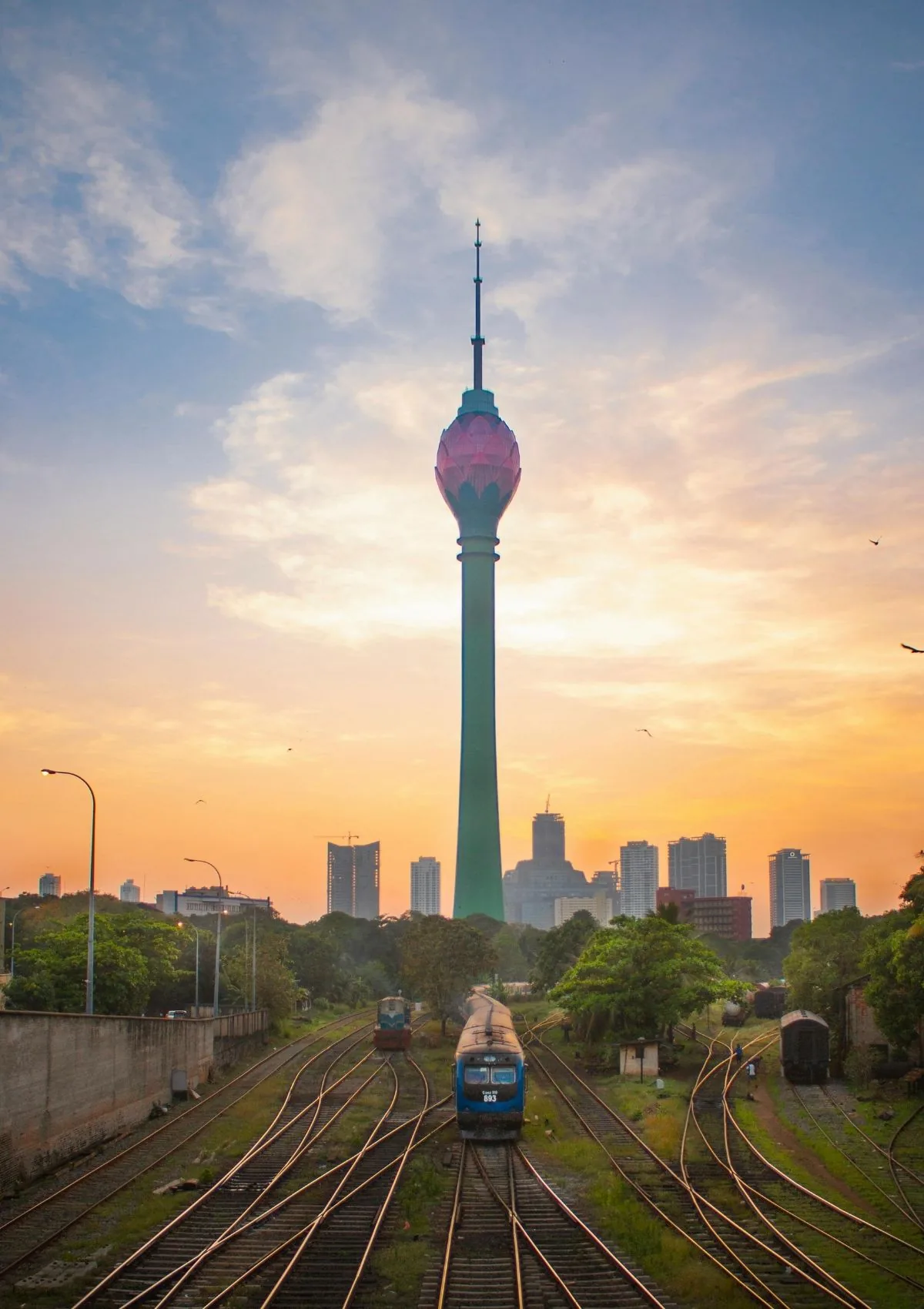

The Lotus Tower rising over Colombo at sunset, seen across railway tracks
Sri Lanka flag

Sri Lanka Business Culture, Work Culture & Etiquette

Business practice guide · informed by benchmark data and by decades of practitioner work at Global Business Culture

The elevator pitch

Where the decision is usually settled before the meeting that appears to make it, disagreement arrives as a pause or a soft "we'll see", and the office tea break is real working time.

Where in the world
Sri Lanka--:--
You--:--
—
Population
~22 million
Main hubs
Colombo
Kandy · Galle · Jaffna
Language
Sinhala · Tamil
Both official · English widely used in business, law and education
Currency
LKR · Rs
Timezone
SLST · UTC+5:30
No daylight saving · same as India

Watch outFree

The five mistakes we see most often with Sri Lankan colleagues.

Even seasoned operators trip over these.

1
Treating the meeting as where the decision gets made. A manager sounds out two or three trusted colleagues privately over several days first. Turn up only to the meeting and you arrive after the decision.
2
Missing the softened no. Disagreement is carried by tone: a long pause, a quiet “mmm”, or “this looks good, we'll see how it goes”. Follow up individually a day or two later.
3
Raising a concern in the meeting rather than after it. Group settings favor harmony over open debate, and asking the room to air objections produces silence. Ask individually instead.
4
Skipping the small courtesies. Conversations open with the weather or a recent holiday, and emails to senior colleagues carry warm greetings even when short. Going straight to the point reads as abrupt.
5
Planning a timeline without the holiday calendar. Sri Lanka observes Buddhist, Hindu, Muslim and Christian holidays plus every full moon. A date that looks ordinary from London may be a Poya day.

Try one nowFree

Practice working with Sri Lanka.

Ten situations you will actually meet, each with three plausible answers. Start with this one.

Scenario 1 of 10 · Relationship & Trust

The Colombo office stops for tea at the same time every day and most of the team goes. Looking for capacity, you propose making it optional and staggered so the desks are never empty. It is a sensible-looking twenty minutes. The suggestion lands flatly and a senior colleague asks you to leave it as it is.

What is the tea break doing?

Module and guide

Learn Sri Lankan business culture.

The same nine topics, twice over: taught in the module, carried in the guide. Both are included in a subscription.

🔒 Subscription
🎓

eLearning module

About 30 minutes · nine topics · video and worked examples

A guided walk through how business is actually done in Sri Lanka, with questions along the way so it lands. Nothing is scored and no result is reported: the questions are there to make it stick, not to test you.

Stop whenever you like. Your progress is saved, it resumes where you left off, and it stays on your dashboard until you finish it.

What it covers

  • Economy
  • Society
  • Key country values
  • Management style
  • Team
  • Communication style
  • Meetings
  • Business etiquette
  • Five key recommendations
Unlock with subscription →
🔒 Subscription
📄

Quick guide, four pages

A4 · built to print · no wifi needed

The same ground in a form you can carry. The facts you need before you land, the four values that explain most of the behavior, then the practical detail on how work gets done.

Print it and take it into the room, or read it on the plane the day before a trip to Sri Lanka.

On the four pages

  • Country facts
  • Economy and society
  • Four core values
  • Management style
  • Team
  • Communication
  • Meetings
  • Etiquette
  • Top five recommendations
Unlock with subscription →

Your first 30 daysFree

Checklist for working with Sri Lankan colleagues, tick as you go.

Small moves that show you've done the work.

When activity slowsFree

Sri Lankan business calendar, key dates to know.

When Sri Lankan business slows and decision-makers are away.

13–14 April
Sinhala and Tamil New Year
Offices, banks and shops close for several days and transport is packed for a week. The most disruptive period of the year.
Every full moon
Poya days
A public holiday 12 or 13 times a year. Government offices and banks close, and alcohol is not sold anywhere, hotels included.
All year
Around 25 public holidays
Four religions observed nationally, plus the monthly Poya. Cumulative absence over a quarter is larger than any single date suggests.
Mid-January
Thai Pongal
The Tamil harvest festival, a national holiday and the major date in the north, east and plantation districts.
4 February
Independence Day
Marking independence from Britain in 1948, with ceremonies in Colombo. Frequently bridged into a long weekend.
Moving each year
Eid and Deepavali
Both are national public holidays. In a country this diverse, a meaningful share of most teams will be away.

Against your country, or your own experienceFree

How Sri Lanka compares.

Where Sri Lanka sits on the five dimensions. Add your own country or your assessment scores, and click any row for detail.

Relationship & Trust Click to expand
Trust built through relationshipTrust built through delivery
Sri Lanka

What this means in practice

Relationships come before commitments, and are built out of small regular things: reliability, courtesy, and the office tea break, which is a fixed part of the working day rather than time away from it.

What to watch for

  • The tea break is working time. Ideas are tested there before they reach anyone's inbox.
  • Reliability counts as warmth. Doing what you said, when you said, reads as respect.
  • A relationship built only over email will take far longer to become useful.
Communication & Feedback Click to expand
Meaning carried in the situationMeaning stated in words
Sri Lanka

What this means in practice

Disagreement is expressed through tone rather than words. A pause, a soft “mmm”, or a noncommittal “we'll see” carries more than the sentence around it. Written communication is formal and courteous even when short.

What to watch for

  • “This looks good, we'll see how it goes” is frequently hesitation, not approval.
  • Modesty is the norm, so people understate both problems and their own contribution. Ask specifically.
  • Matching the courteous written register costs nothing and is noticed.
Decisions & Agreement Click to expand
Guided by role, agreed in advanceGuided by contribution, agreed in the meeting
Sri Lanka

What this means in practice

The decision is usually settled before the meeting that appears to make it. A manager sounds out two or three key colleagues over several days, then presents a proposal for what looks like open discussion.

What to watch for

  • If you are only in the formal meeting, you are arriving after the substance.
  • Approval often travels further up than a job title suggests.
  • Give your counterpart what they need to make the case, and accept that it happens without you.
Accountability & Ownership Click to expand
Belongs to the team and its leaderBelongs to the named person
Sri Lanka

What this means in practice

Ownership is collective, and stated modestly. People acknowledge the team before themselves, and covering for a colleague who is behind is treated as routine rather than as a favor.

What to watch for

  • Understatement means you hear about a problem late and gently. Ask direct, specific questions.
  • Individual praise in front of the group can embarrass. Recognize the team, thank the person privately.
  • Named owners and dates matter more than the collegial atmosphere suggests.
Planning & Adaptability Click to expand
Prepare fully, then startStart early, refine as you learn
Sri Lanka

What this means in practice

Moderately flexible, and less improvisational than the region around it. Meetings may start a few minutes late, and buffer time is sensible. What moves timelines is the calendar rather than the attitude to plans.

What to watch for

  • Check the Poya dates before proposing anything, including video calls. They move with the moon.
  • The middle of April is unavailable, and the week around it is thin.
  • Cumulative absence over a quarter is larger than any single date suggests.

Quick answersFree

Common questions about working with Sri Lanka.

How should I approach first business meetings in Sri Lanka?

Expect informal conversation first, often over tea. A handshake is standard, though some greet with palms together and a slight bow, the ayubowan gesture; follow their lead. Let the most senior person open the discussion.

What is the business communication style in Sri Lanka?

Courteous, formal in writing, and indirect where a subject is sensitive. Disagreement is carried by tone: a pause, a soft mmm, a noncommittal we'll see. A differing view reaches you individually afterwards, not in the group.

How important is punctuality in business meetings in Sri Lanka?

Be on time and allow some latitude; meetings can start a few minutes late without comment. The larger issue is the calendar, not the clock. There is a public holiday on every full moon, so check dates first.

How are business decisions made in Sri Lanka?

Largely before the meeting. A manager sounds out two or three trusted colleagues privately, often over tea, then presents the proposal for what looks like open discussion. Attend only the formal meeting and you see the confirmation.

How is feedback given in workplaces in Sri Lanka?

Indirectly, and in private, often framed as a suggestion rather than a fault. The softening runs both ways: a manager saying perhaps another option could be considered is giving you real feedback, not making conversation.

What are the business gift-giving and hospitality norms in Sri Lanka?

A working lunch is often where rapport is built, with dishes ordered for the table to share. Gifts are modest, typically sweets or local snacks. Note that alcohol is not sold anywhere on Poya days.