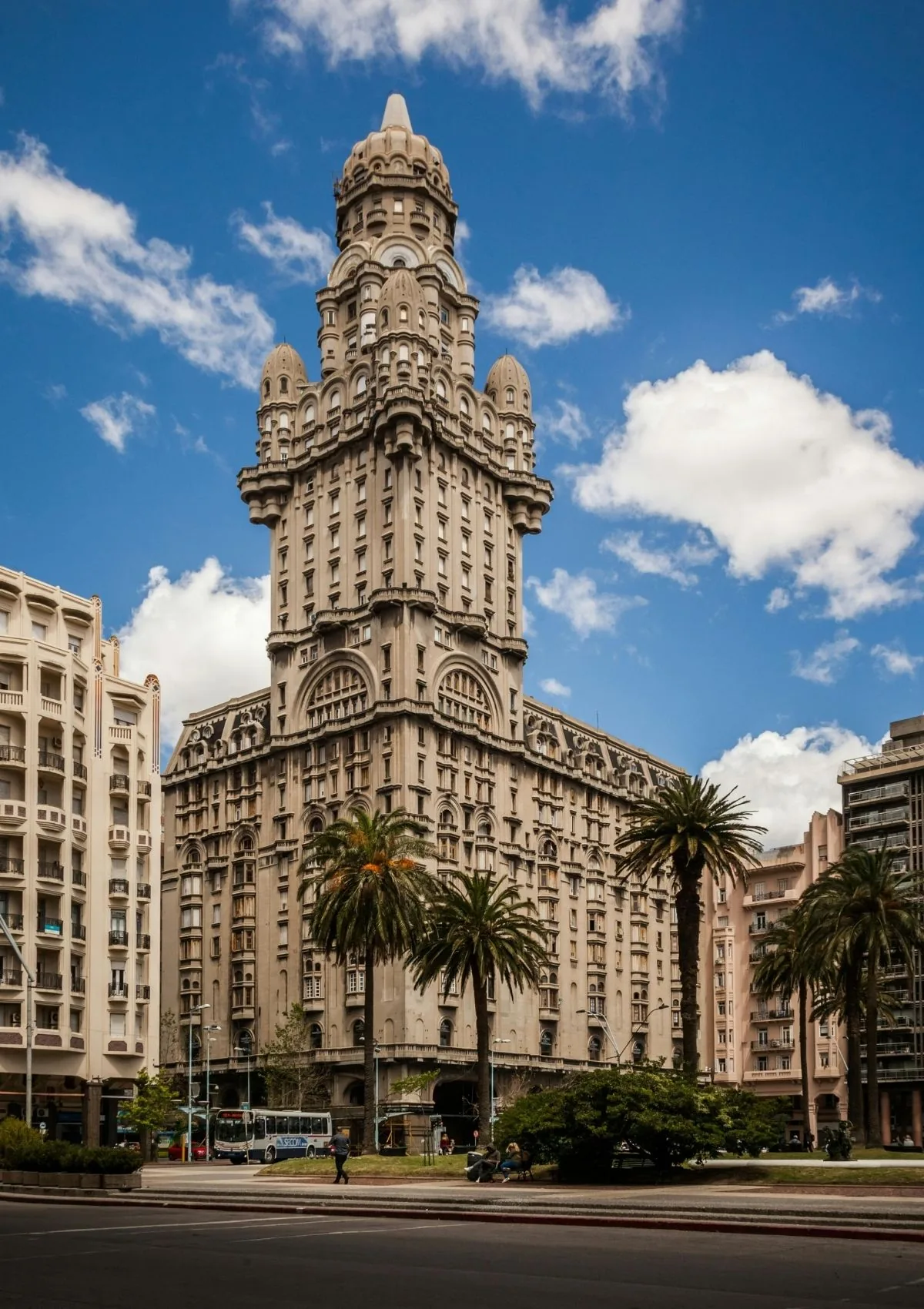

The elevator pitch
Where the pace is deliberate by choice, not by drift, meetings start and end on time, and a pilot precedes the rollout. Egalitarian, modest and institutionally solid, and further from its neighbors on this framework than the map suggests.
Watch outFree
Even seasoned operators trip over these.
Try one nowFree
Ten situations you will actually meet, each with three plausible answers. Start with this one.
Your regional approach was built in São Paulo and refined in Buenos Aires: fast, personality-led, energetic, comfortable with a degree of improvisation. You carry it across the river to Montevideo unchanged. Everyone is courteous and nothing accelerates, and you cannot see what is different.
What is different?
The regional playbook does not cross the river. More egalitarian, more institutional, far more methodical.
That is the first of ten. The rest are included with a subscription, and once you are signed in your answers are saved to your account rather than to this browser.
Module and guideSubscription
The same nine topics, twice over: taught in the module, carried in the guide. Both are included in a subscription.
A guided walk through how business is actually done in Uruguay, with questions along the way so it lands. Nothing is scored and no result is reported: the questions are there to make it stick, not to test you.
Stop whenever you like. Your progress is saved, it resumes where you left off, and it stays on your dashboard until you finish it.
What it covers
The same ground in a form you can carry. The facts you need before you land, the four values that explain most of the behavior, then the practical detail on how work gets done.
Print it and take it into the room, or read it on the plane the day before a trip to Uruguay.
On the four pages
Your first 30 daysFree
Small moves that show you've done the work.
When activity slowsFree
When Uruguayan business slows and decision-makers are away.
Against your country, or your own experienceFree
Where Uruguay sits on the five dimensions. Add your own country or your assessment scores, and click any row for detail.
Relationship-led, but backed by institutions. Counterparts want to know you personally before serious decisions, and deals are rarely rushed. What differs from the region is that a strong legal framework and low corruption mean a written agreement genuinely carries weight.
Uruguayan teams state most things in words, with a measured tone, though difficult messages are softened. A concern about a colleague's work is handled privately and gently, often alongside something positive, and a problem is usually raised once its size is clear.
Before an important decision the manager has normally talked it through with a small trusted group. In the meeting people offer suggestions and raise a concern once, gently, before leaving the call to the senior colleague. A fair new point may put the decision on hold while the manager speaks to the people involved.
The manager breaks up new work and gives each part to a named person, who decides within the limits the manager sets. When a target is missed, the manager usually takes responsibility for the team rather than naming one person publicly.
Methodical and risk-averse, and by a wide margin the most planning-oriented country in Latin America. A pilot precedes a rollout, decisions wait for more data, and meetings start and end on time. Stability is preferred to speed, deliberately rather than by default.
Quick answersFree
A firm handshake and eye contact, with titles such as Doctor or Ingeniero and the surname until first names are offered. Meetings open with light conversation, then follow the agenda and start and end on time.
Calm, polite and measured. Disagreement is indirect: expect that's one way to see it rather than a flat no. Directness is welcome when courteous. Face-to-face is preferred for anything complex.
More than almost anywhere else in Latin America. Meetings start and end on time and agendas are followed closely. Visitors who assume regional flexibility get this one wrong.
Collaboratively and slowly. Managers invite views before deciding, and the same issue may return across several meetings until there is genuine agreement. Expect a pilot before a rollout.
Privately and constructively, framed around what could be improved rather than what went wrong. A manager speaks to someone after the meeting, not in it. Public criticism does real damage.
Meals matter, usually at a quiet restaurant, and business topics follow the food rather than precede it. Wine is normal and moderation expected. Gifts are modest; anything ostentatious sits badly.